Technical Guides
Why Does My Electric Grease Gun Run but Not Pump Grease? Causes and Solutions
September 16, 2026 · SENLITE Admin
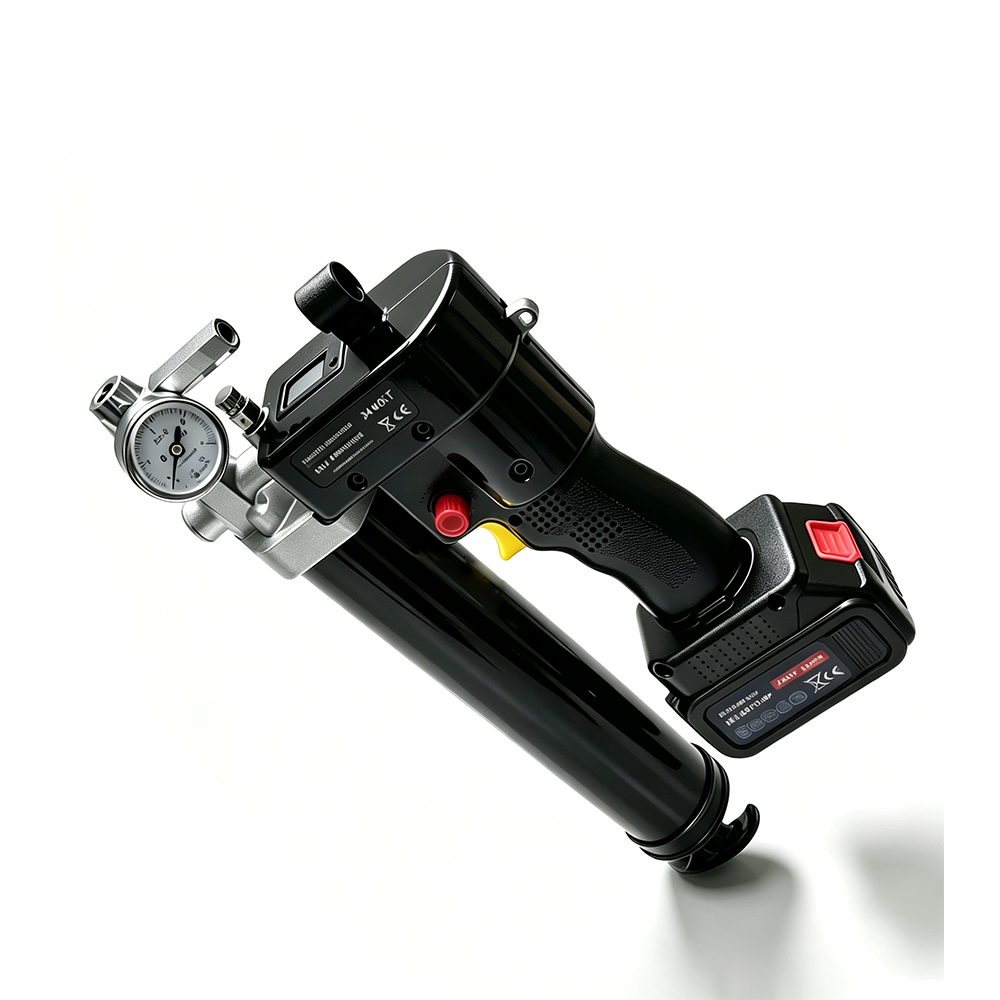
An electric grease gun is designed to make lubrication work faster and more efficient, especially for heavy equipment maintenance, construction machinery, agricultural equipment, and industrial applications.
However, one common problem users experience is:
The electric grease gun motor runs, but no grease comes out.
Many people immediately think the tool is damaged. In reality, this problem is often caused by air inside the pumping system, incorrect grease loading, blocked fittings, or unsuitable operating conditions.
Understanding the cause can help users solve the problem quickly and avoid unnecessary downtime.
1. Air Lock Is the Most Common Reason
One of the most common reasons an electric grease gun runs but does not pump grease is an air lock.
When replacing a grease cartridge or refilling grease, air may become trapped between the grease and the pump mechanism.
Because air can be compressed while grease cannot, the pump cannot create enough pressure to move grease through the hose.
Typical symptoms include:
The motor operates normally
The pump sound is normal
Little or no grease is discharged
Grease output is unstable
Pressure cannot build correctly
How to remove air lock from an electric grease gun
Follow these steps:
Check that the grease cartridge is installed correctly.
Make sure the follower plate contacts the grease properly.
Open the air release valve if the grease gun has one.
Allow trapped air to escape.
Operate the grease gun until grease flows smoothly.
Professional grease guns often include air release structures to make this process easier during daily maintenance work.
2. Incorrect Grease Cartridge Installation
Another common reason for poor grease output is incorrect loading.
When installing grease, users should check:
Cartridge direction
Removal of cartridge seals
Proper connection between grease barrel and pump
No large air gaps inside the barrel
If grease cannot enter the pump chamber correctly, the motor may run but the tool will not deliver grease.
For heavy equipment maintenance, stable grease feeding is important because lubrication points often require continuous pressure.
3. Grease Becomes Too Thick in Cold Conditions
Temperature has a significant impact on grease performance.
In cold environments, grease viscosity increases and becomes harder to move through the pump system.
This can happen when:
Equipment is stored outdoors
Machines operate in winter conditions
Low-temperature grease is not selected
Before checking the tool, users should confirm:
Grease type
Operating temperature
Compatibility with equipment requirements
4. Blocked Grease Fittings Can Stop Lubrication
Sometimes the grease gun is working correctly, but the machine lubrication point is blocked.
Possible causes include:
Hardened old grease
Dirt contamination
Damaged grease nipples
Incorrect coupler connection
A simple test is to try another lubrication point.
If grease flows normally at another point, the problem may come from the equipment fitting rather than the grease gun.
5. Check Hose and Coupler Connections
A high-pressure grease gun requires a complete sealed lubrication path.
Users should inspect:
Hose connection
Coupler sealing condition
Leakage points
Thread connections
A damaged coupler or loose connection can reduce pressure and affect grease delivery.
For excavators, loaders, and other heavy machinery, reliable connections are essential because lubrication points are often difficult to access.
How Professional Electric Grease Guns Improve Reliability
A professional electric grease gun should not only focus on maximum pressure.
Reliable lubrication performance depends on:
Stable grease feeding
Effective air release design
Durable pump components
Pressure control system
Safety protection
SENLITE electric grease guns are designed for heavy equipment lubrication applications.
The SENLITE SLT2400 electric grease gun provides:
Up to 10000 PSI maximum pressure
400cc grease capacity
Up to 130 g/min grease output
Battery-powered cordless operation
Pressure control structure
Safety valve protection
These features help maintenance teams improve lubrication efficiency for excavators, loaders, and industrial machinery.
Electric Grease Gun Troubleshooting Checklist
ProblemPossible CauseSolutionMotor runs but no greaseAir lockRelease air and prime the grease gunWeak grease outputAir mixed with greaseRepeat priming processGrease leaksConnection problemCheck hose and couplerPoor performance in winterGrease too thickCheck grease temperatureCannot lubricate equipmentBlocked fittingInspect grease nipple
Conclusion
When an electric grease gun runs but does not pump grease, the problem is usually related to air lock, incorrect loading, blocked fittings, or grease conditions.
Before replacing the tool, users should check the lubrication system step by step.
For professional maintenance applications, choosing an electric grease gun with stable pressure control, reliable pump structure, and safety protection can improve efficiency and reduce maintenance downtime.
FAQ
Q: Why does my electric grease gun run but no grease comes out?
A: The most common causes are air lock, incorrect grease loading, blocked fittings, or thick grease.
Q: How do I prime an electric grease gun?
A: Install grease correctly, release trapped air, and operate the gun until grease flows smoothly.
Q: Why does my cordless grease gun lose pressure?
A: Pressure loss may be caused by air inside the pump system, leakage, damaged seals, or blocked fittings.
Q: Can cold weather affect grease gun performance?
A: Yes. Cold temperatures can increase grease viscosity and reduce pumping efficiency.
Related products
Related articles
Electric Grease Gun vs Automatic Lubrication System: Which Is Better for Heavy Equipment?
Compare electric grease guns with automatic lubrication systems for heavy equipment. Learn about cost, maintenance, flexibility, lubrication control, and how to choose the right solution.
Will Any 14 oz Grease Cartridge Fit an Electric Grease Gun?
Learn how to check 14 oz grease cartridge compatibility, barrel dimensions, loading methods, and grease specifications before using an electric grease gun.
Grease Gun Coupler Types Explained: How to Choose the Right One for Heavy Equipment
Learn how to choose the right grease gun coupler for heavy equipment. Compare standard, locking, button-head and flush couplers, with tips on fitting compatibility, pressure ratings and safe use.