Technical Guides
How to Maintain an Electric Grease Gun: Cleaning, Battery Care and Storage Guide
September 8, 2026 · SENLITE Admin
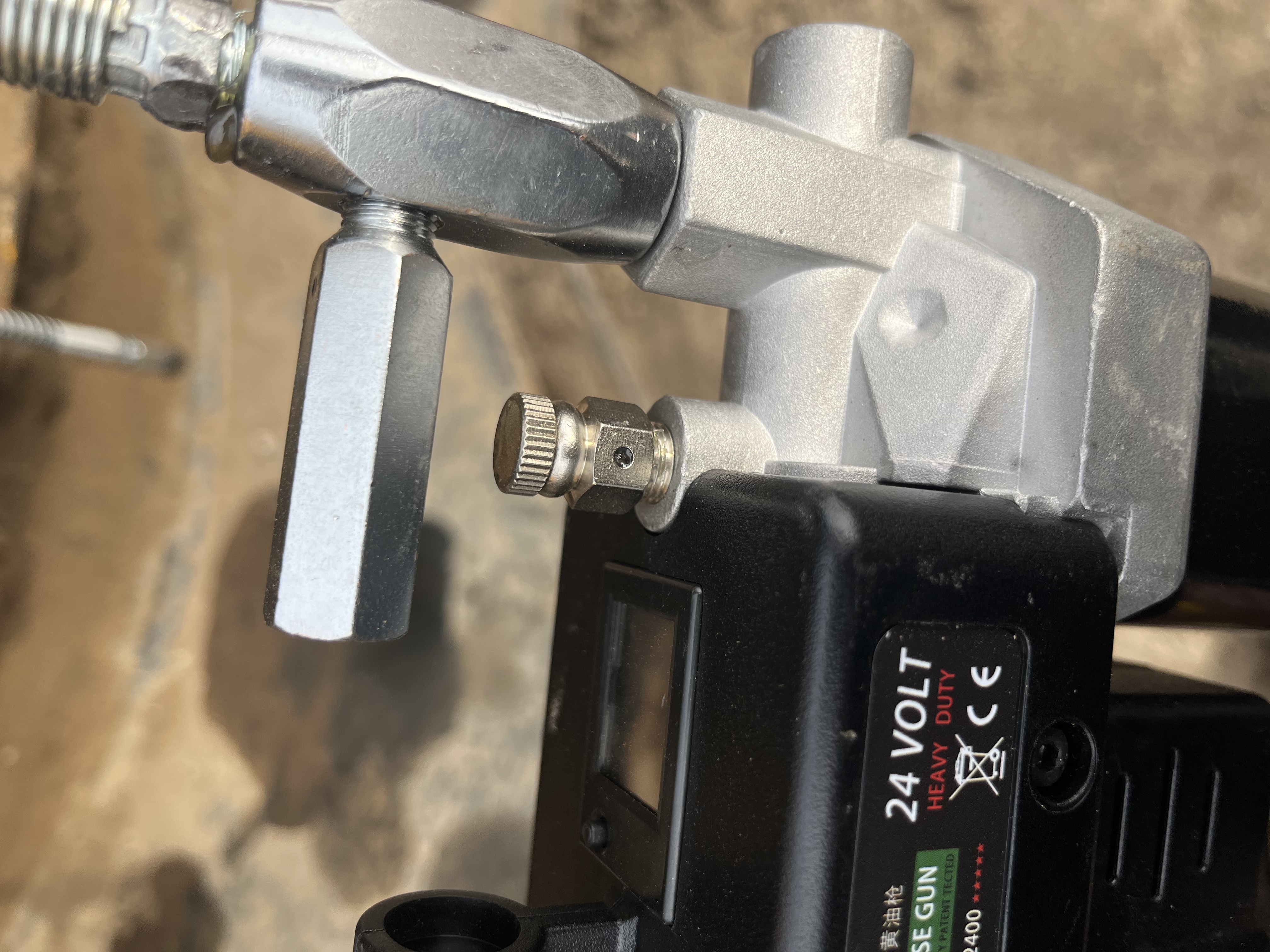
An electric grease gun is designed to make repetitive lubrication work faster and easier, especially when maintaining excavators, agricultural machinery, trucks, construction equipment and industrial machines.
However, high pressure and battery-powered operation do not eliminate the need for regular tool maintenance.
Grease residue, dirt, damaged hoses, contaminated couplers, incorrect storage and poor battery care can gradually affect the performance and reliability of a cordless grease gun.
For professional users, maintenance teams and distributors, proper electric grease gun maintenance should therefore be considered part of the complete lubrication process.
A good maintenance routine does not need to be complicated.
The key is to keep the grease delivery system clean, inspect pressure-carrying components regularly, protect the battery system and store the tool correctly between jobs.
This guide explains the most important maintenance practices.
Why Does Electric Grease Gun Maintenance Matter?
An electric grease gun combines several systems in one portable tool:
Battery
Electric motor
Drive mechanism
Grease pump
Grease barrel
High-pressure hose
Coupler
Valves and seals
Electrical controls
Unlike a basic manual grease gun, a cordless model also contains electrical and battery components.
This means maintenance should consider both the grease delivery system and the power system.
Poor maintenance can contribute to problems such as:
Difficult priming
Reduced grease flow
Grease leakage
Coupler blockage
Hose damage
Contamination
Battery performance problems
Unnecessary downtime
Preventive care is generally easier than diagnosing a grease gun after it stops working during an important maintenance job.
1. Clean the Electric Grease Gun After Use
The first maintenance habit is also one of the simplest:
Keep the tool clean.
Grease residue easily attracts dust, sand and other contaminants.
This is particularly important when an electric grease gun is used around:
Excavators
Construction sites
Agricultural equipment
Mining machinery
Workshops
Truck maintenance areas
These environments may contain significant dust and dirt.
After completing lubrication work, wipe external grease and contamination from the grease gun body, barrel and accessible surfaces according to the manufacturer's cleaning instructions.
Pay particular attention to the areas around:
Coupler
Hose connections
Grease barrel
Pump head
Filling points
The objective is not cosmetic appearance.
The objective is contamination control.
A dirty grease gun can transfer contamination from the tool into the next lubrication point.
Keeping grease fittings and couplers clean before lubrication is a widely recommended practice because contamination introduced during greasing can undermine the maintenance task itself. GreaseBoss
2. Keep the Grease Coupler Clean
The coupler is the final connection between the grease gun and the machine's grease fitting.
Because it directly contacts lubrication points, it deserves regular attention.
Before attaching the coupler, inspect the tip for:
Dirt
Sand
Hardened grease
Metal particles
Visible damage
Wipe the coupler clean before connecting it to a grease fitting.
The grease fitting on the machine should also be cleaned.
Otherwise, contamination on the fitting can be pushed toward the lubrication system when grease is applied.
After lubrication, wipe excess grease from the coupler before storage.
A contaminated or damaged coupler can also contribute to poor connection, leakage or restricted grease flow.
If a coupler no longer connects correctly or shows significant wear or damage, it should be inspected and replaced when necessary.
3. Inspect the High-Pressure Hose
The flexible hose is a critical part of an electric grease gun.
It carries grease under pressure from the pump to the lubrication point.
Before use, inspect the hose for signs of:
Cracking
Cuts
Abrasion
Kinking
Bulging
Leakage
Damaged fittings
Loose connections
Do not ignore a small leak simply because the grease gun still operates.
Electric grease guns can generate substantial pressure, so the hose and its connections should remain in suitable condition.
If a hose is damaged, replace it with a hose that meets the requirements of the grease gun.
Do not treat ordinary low-pressure hose as an equivalent replacement.
For example, the confirmed SENLITE SLT2400 configuration uses a 700 mm high-pressure hose rated to 12,000 PSI, while the grease gun itself has a maximum working pressure of 10,000 PSI.
This illustrates why hose specification should be evaluated together with the tool's pressure capability.
Regular hose and coupler inspection for wear, leaks or damage is also included in maintenance guidance for cordless grease guns. Manuals+
4. Prevent Grease Contamination
Grease cleanliness matters as much as grease quantity.
Contaminants can enter during:
Cartridge replacement
Bulk filling
Coupler connection
Improper storage
Contact with dirty tools or surfaces
When loading an electric grease gun, keep the grease supply and loading area clean.
Do not place an open cartridge, coupler or grease-contact component directly on a dirty workshop floor or dusty equipment surface.
If bulk grease is used, the filling equipment should also be kept clean.
This becomes especially important in B2B and industrial environments where one grease gun may service many machines.
A contaminated grease gun can potentially transfer contamination from one maintenance point to another.
5. Use the Correct Grease
Electric grease gun maintenance is not only about maintaining the tool.
Users must also consider the lubricant being pumped through it.
Always follow the machinery manufacturer's requirements for:
Grease type
Grade
Lubrication quantity
Lubrication interval
Do not assume that two greases with a similar appearance are automatically compatible.
Mixing incompatible lubricants can create performance problems inside the machine and may also affect pumping behavior.
Grease consistency can also change with temperature.
Cold grease may become more difficult to pump, increasing resistance in the grease delivery system.
If an electric grease gun suddenly becomes difficult to use in winter, the tool itself may not necessarily be defective.
Consider the complete system:
Grease + Temperature + Hose + Coupler + Lubrication Point + Grease Gun
6. Avoid Operating Continuously Against a Blocked Fitting
A powerful electric grease gun can generate high pressure.
That does not mean the trigger should remain pressed when grease refuses to enter a fitting.
If the tool works normally on other fittings but stops delivering grease at one specific lubrication point, investigate the fitting and grease passage.
Possible problems include:
Blocked grease fitting
Hardened old grease
Damaged fitting
Restricted lubrication passage
Incorrect coupler connection
Continuing to operate a battery-powered grease gun against a blocked fitting does not remove the need to diagnose the blockage. Maintenance guidance specifically identifies blocked nipples/fittings as a problem that can be particularly relevant with battery-powered grease guns when users continue holding the trigger. Josco
High pressure is a capability, not a substitute for troubleshooting.
7. Check for Grease Leakage
Grease around the exterior of a grease gun should not automatically be considered normal.
Inspect where the grease is coming from.
Possible leakage areas include:
Hose connection
Coupler
Grease barrel connection
Pump head
Seals
Filling components
If a threaded connection is loose, follow the manufacturer's instructions for correction.
If a hose, seal, coupler or other pressure-carrying component is damaged, replace or service it appropriately.
Persistent leakage can indicate wear or damage and should not simply be wiped away indefinitely.
8. Keep the Battery Clean and Protected
The battery is one of the major differences between a cordless electric grease gun and a manual grease gun.
Battery care therefore deserves its own maintenance routine.
Inspect the battery and connection area for:
Grease contamination
Dirt
Physical damage
Damaged contacts
Abnormal heat
Housing damage
Do not allow grease to accumulate around electrical contacts.
When charging, use the charger and charging procedure specified for the battery system.
Avoid exposing batteries to unnecessary:
Water
Excessive heat
Severe cold
Impact
Conductive debris
Battery-specific storage requirements can vary by chemistry and manufacturer, so the instructions supplied with the particular product should take priority over generic advice.
For extended storage, some cordless-tool manufacturers also instruct users to remove the battery pack from the tool. Manuals+
9. Do Not Confuse Voltage with Battery Condition
Cordless grease guns are offered on different nominal battery-voltage platforms depending on the electrical design and manufacturer.
But voltage alone does not tell you whether the battery is healthy.
If an electric grease gun shows weak or abnormal operation, consider:
State of charge
Battery age
Contact condition
Charger condition
Operating temperature
Battery damage
For B2B buyers, this is why replacement battery availability should be evaluated when selecting an electric grease gun supplier.
A grease gun may remain mechanically serviceable for years while its battery is a replaceable lifecycle component.
10. Store the Electric Grease Gun in a Clean, Dry Environment
Storage conditions affect both the grease gun and the lubricant inside it.
After use:
Clean the external surfaces.
Clean the coupler.
Inspect the hose.
Check for leakage.
Follow the manufacturer's pressure-release procedure where applicable.
Store the tool in a clean and dry location.
General grease-gun maintenance guidance commonly recommends clean, dry storage and keeping the tool free from contaminants before it is put away. manualzz.com
For an electric grease gun, also protect the battery and electrical components from moisture and extreme storage conditions.
If the grease gun is supplied with a carrying case, using the case can help protect:
Tool body
Hose
Coupler
Battery
Charger
Accessories
It can also reduce contamination during transportation between job sites.
11. Inspect the Tool Before the Next Job
Maintenance should not occur only after use.
Before beginning the next lubrication job, perform a quick inspection.
Check:
Battery
Is it sufficiently charged?
Is it properly installed?
Is there visible damage?
Grease supply
Is sufficient grease available?
Is the correct grease being used?
Hose
Any cracks, leaks or damage?
Coupler
Is it clean?
Does it connect correctly?
Tool
Any abnormal noise?
Any visible leakage?
Any damaged components?
Grease fitting
Is it clean?
Is it damaged or blocked?
A one-minute inspection can prevent a much longer interruption once maintenance work has started.
12. Know When the Electric Grease Gun Needs Service
Not every problem can be solved through routine cleaning.
If an electric grease gun repeatedly experiences:
Loss of pressure
Abnormal motor noise
Persistent leakage
Failure to pump after correct priming
Electrical problems
Repeated stalling
Visible component damage
the tool may require professional inspection.
Do not unnecessarily disassemble electrical or high-pressure components unless the product is designed for user servicing and the procedure is specified by the manufacturer.
This is particularly important for distributors and fleet users.
Serviceability, spare parts and manufacturer support should be considered during purchasing—not only after a problem occurs.
Electric Grease Gun Maintenance Checklist
A simple maintenance checklist can help professional users build consistent habits.
After Every Use
Wipe grease and dirt from the tool
Clean the coupler
Inspect the hose
Check for visible leaks
Clean the grease fitting area
Store the tool appropriately
Regularly
Inspect hose and connections
Inspect coupler condition
Check battery condition
Inspect seals and accessible components
Confirm normal grease flow
Check the charger and accessories
Before Long-Term Storage
Clean the tool thoroughly
Inspect for damage
Follow the manufacturer's pressure-release procedure
Follow battery storage instructions
Protect the hose and coupler from contamination
Store in a clean, dry location
The exact service interval should depend on tool usage, operating environment and the manufacturer's instructions.
A grease gun used every day on dusty construction equipment requires a different maintenance schedule from a tool used occasionally in a clean workshop.
How Maintenance Helps Prevent “Not Pumping Grease” Problems
Many common grease gun problems are connected.
For example:
Dirty coupler → restricted grease flow
Air after loading → loss of prime
Damaged hose → leakage or pressure problems
Low battery → abnormal powered operation
Blocked fitting → high resistance
Cold or unsuitable grease → difficult pumping
This is why preventive maintenance and troubleshooting should not be treated as completely separate subjects.
Routine inspection can identify some problems before the grease gun stops delivering grease during a job.
If an electric grease gun is already running but not pumping grease, use a systematic troubleshooting process rather than immediately assuming the motor or pump has failed.
Electric Grease Gun Maintenance for Excavators and Heavy Equipment
Heavy-equipment environments deserve additional attention because tools are often exposed to:
Dust
Mud
Moisture
Temperature changes
Frequent transportation
Repeated lubrication cycles
For excavator and construction-equipment maintenance, keep the coupler away from dirty surfaces and clean the machine's grease fitting before connection.
Inspect the hose more frequently if the tool is transported between job sites.
Also monitor battery condition when the grease gun is used for many lubrication points during a maintenance shift.
The more frequently an electric grease gun is used, the more valuable preventive maintenance becomes.
What Should Distributors Consider Beyond Maintenance?
For importers and distributors, maintenance requirements can reveal a great deal about product quality.
When evaluating an electric grease gun manufacturer, ask about:
Hose specifications
Coupler options
Replacement batteries
Charger configuration
Spare parts
Seals
Product manuals
Troubleshooting support
Quality-control procedures
After-sales policy
A competitive purchase price is useful.
But a product that is difficult to maintain or support can create additional costs after it reaches the market.
For B2B buyers, the better question is:
What is the total product and supplier value throughout the service life of the grease gun?

SENLITE Electric Grease Guns
Dezhou Senlite Electromechanical Equipment Co., Ltd. (SENLITE) focuses on the development and manufacturing of electric grease guns for professional lubrication applications.
The company operates a manufacturing base of more than 10,000 square meters and has 128 employees, including a 20-person R&D team.
SENLITE supplies international customers in markets including the United States, France, Russia and Southeast Asia and supports B2B and OEM cooperation.
The SENLITE SLT2400 cordless electric grease gun has confirmed specifications including:
24V rated voltage
10,000 PSI maximum working pressure
Grease output up to 130 g/min
400 cc / 14 oz grease capacity
2000 mAh battery
1–1.5 hour charging time
1–2 batteries optional
700 mm high-pressure hose
12,000 PSI hose pressure rating
-20°C to +50°C working temperature
CE certification
These specifications describe the product's capabilities, but long-term performance also depends on correct operation, lubrication practices and maintenance.
For distributors, industrial users and equipment-maintenance teams, product selection and product maintenance should therefore be considered together.
Frequently Asked Questions
How often should I clean an electric grease gun?
The external tool surfaces and coupler should be checked and cleaned after use, particularly in dusty or dirty environments. More detailed inspection frequency should depend on workload and the manufacturer's maintenance instructions.
How should I clean an electric grease gun coupler?
Remove external grease and contamination using the cleaning method recommended by the manufacturer. Keep dirt and debris away from the coupler opening because contamination can be transferred to the machine's grease fitting.
Should I inspect the grease gun hose regularly?
Yes. Inspect the high-pressure hose for cracks, abrasion, kinks, leakage, damaged connections or other visible deterioration. A damaged high-pressure hose should be replaced with a suitable component.
Can I leave the battery in an electric grease gun during storage?
Follow the instructions for the specific battery platform. For extended storage, some cordless-tool manufacturers recommend removing the battery from the tool. Battery storage requirements can vary, so the product manual should take priority. Manuals+
Why should grease fittings be cleaned before lubrication?
Cleaning helps prevent dirt and other contaminants from being introduced into the lubrication point through the coupler and fresh grease. GreaseBoss
Can poor maintenance cause an electric grease gun to stop pumping?
Yes. Contamination, a blocked coupler, damaged hose, air in the grease system, poor battery condition and other issues can contribute to grease-delivery problems.
Should I keep pressing the trigger if grease will not enter a fitting?
No. If the grease gun encounters unusual resistance, stop and inspect the fitting, coupler and lubrication path. Do not assume that applying more pressure is the correct solution.
What parts of an electric grease gun require the most attention?
The grease supply system, coupler, high-pressure hose, connections, battery and charger should all be inspected regularly. The exact maintenance requirements depend on the grease gun design.
Final Thoughts
Proper electric grease gun maintenance is based on a few consistent principles:
Keep it clean.
Prevent contamination.
Inspect the hose and coupler.
Protect the battery.
Use the correct grease.
Do not force blocked lubrication points.
Store the tool correctly.
These practices can help maintain reliable grease delivery and reduce avoidable downtime.
For professional maintenance teams, a cordless grease gun is not simply a high-pressure tool. It is part of a complete lubrication system that includes the grease, hose, coupler, fitting, machine and operator.
For distributors and importers, maintenance should also be considered during supplier selection. Replacement batteries, hoses, couplers, spare parts, technical documentation and after-sales support all influence long-term product value.
Dezhou Senlite Electromechanical Equipment Co., Ltd. (SENLITE) focuses on electric grease gun manufacturing for professional and B2B markets, with products designed for industrial lubrication and heavy-equipment maintenance applications.
Correct product selection combined with proper maintenance provides a stronger foundation for reliable long-term use.
Related products
Related articles
Why Is My Electric Grease Gun Not Pumping Grease? 8 Common Causes and Solutions
Electric grease gun running but not pumping grease? Learn 8 common causes, including air locks, blocked fittings, coupler problems, thick grease, battery issues and loss of prime, with a practical troubleshooting process.
How to Choose an Electric Grease Gun for Excavators and Heavy Equipment
Learn how to choose an electric grease gun for excavators and heavy equipment by comparing pressure, flow rate, battery, hose, coupler, grease capacity and real maintenance requirements.
How to Choose a Reliable Electric Grease Gun Manufacturer in China: A Complete Guide for Global Buyers
Choosing the right electric grease gun manufacturer in China is important for distributors and industrial buyers. Learn how to evaluate factory capability, product quality, OEM support, certifications, and supplier reliability.