Technical Guides
Electric Grease Gun vs Pneumatic Grease Gun: Which Is Better for Heavy Equipment Maintenance?
September 20, 2026 · SENLITE Admin
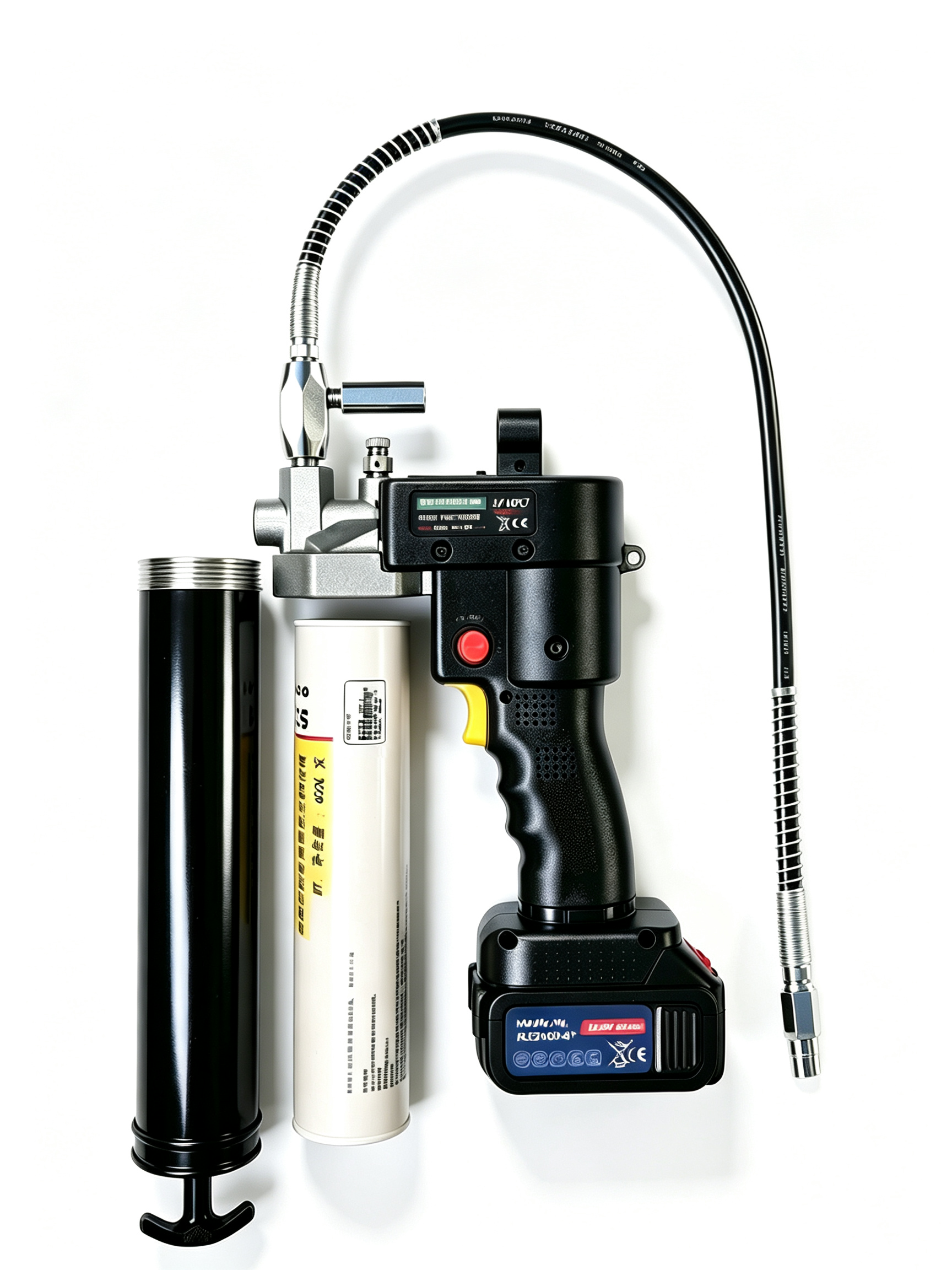
Lubrication is an essential part of maintaining excavators, loaders, agricultural machines, trucks, and industrial equipment.
For professional maintenance teams, choosing the right grease gun can directly affect working efficiency, equipment reliability, and daily maintenance time.
Two common solutions are electric grease guns and pneumatic grease guns.
Both technologies have their advantages, but they are designed for different working environments.
This article compares electric grease guns and pneumatic grease guns from several important aspects, including power source, mobility, pressure performance, efficiency, maintenance requirements, and practical applications.
1. Power Source Difference
The biggest difference between electric and pneumatic grease guns is the way they generate power.
Electric Grease Gun
An electric grease gun uses a rechargeable battery to drive the motor and pump system.
Main advantages:
No external air compressor required
Easy to carry between different machines
Suitable for outdoor maintenance
Quick setup and operation
For construction sites, farms, and mobile repair services, cordless operation provides greater flexibility.
Pneumatic Grease Gun
A pneumatic grease gun uses compressed air from an air compressor.
Main advantages:
Continuous operation when air supply is available
Commonly used in workshops with existing compressed air systems
Suitable for fixed maintenance stations
However, pneumatic tools require additional equipment such as:
Air compressor
Air hose
Air connections
This can limit mobility in outdoor environments.
2. Mobility and Working Environment
Mobility is an important factor for heavy equipment maintenance.
Excavators, loaders, and construction machines are often serviced directly at job sites.
Electric grease guns provide advantages because operators can move freely without searching for an air source.
Typical applications include:
Construction sites
Mining equipment maintenance
Agricultural machinery
Fleet maintenance
Pneumatic grease guns are more suitable for workshops where compressed air systems are already installed.
3. Pressure and Grease Delivery Performance
Pressure is important because grease must enter lubrication points that may contain:
Old hardened grease
Contamination
High resistance areas
A professional grease gun needs both pressure capability and stable grease delivery.
Electric grease guns have developed significantly in recent years, with many professional models providing high-pressure performance suitable for heavy equipment applications.
For example, the SENLITE SLT2400 electric grease gun provides:
Maximum pressure up to 10000 PSI
Grease output up to 130 g/min
400cc grease capacity
This performance makes it suitable for demanding lubrication tasks on excavators and industrial equipment.
4. Efficiency During Daily Maintenance
For technicians maintaining multiple machines every day, efficiency is critical.
Electric grease guns help improve productivity because:
Setup time is shorter
No compressor preparation is needed
Operators can work independently
The tool can move between different lubrication points easily
Pneumatic grease guns can also provide excellent performance, especially in professional workshops with stable air supply.
The better choice depends on the working environment.
5. Maintenance Requirements
Different power systems require different maintenance.
Electric Grease Gun Maintenance
Users should regularly check:
Battery condition
Charging system
Hose and coupler
Grease loading condition
Pneumatic Grease Gun Maintenance
Users need to maintain:
Air compressor
Air filter
Air hose
Pneumatic connections
For mobile maintenance applications, fewer supporting requirements can reduce operational complexity.
6. Safety and Convenience
Modern professional grease guns should include safety features to protect operators.
Important features include:
Pressure control system
Safety valve
Reliable hose connection
Pressure release design
Electric grease guns with built-in protection systems can provide convenient operation without requiring additional air equipment.
Electric Grease Gun or Pneumatic Grease Gun: Which One Should You Choose?
The right choice depends on your application.
ApplicationRecommended OptionConstruction equipment maintenanceElectric grease gunExcavator lubricationElectric grease gunMobile repair serviceCordless electric grease gunWorkshop with existing air systemPneumatic grease gunLarge fixed maintenance facilityPneumatic grease gun
For users who need mobility, flexibility, and fast setup, an electric grease gun is often a practical solution.
For workshops with established compressed air systems, pneumatic grease guns remain a reliable option.
Why Professional Users Choose SENLITE Electric Grease Guns
Dezhou Senlite Electromechanical Equipment Co., Ltd. specializes in manufacturing electric grease guns and industrial lubrication tools.
SENLITE electric grease guns are designed for professional maintenance applications, including:
Excavators
Construction machinery
Heavy equipment
Industrial equipment
The SENLITE SLT2400 features:
10000 PSI maximum pressure
400cc grease barrel
Up to 130 g/min grease output
Adjustable pressure structure
Safety valve protection
LCD battery display
Cordless battery operation
With a focus on reliable performance and long-term durability, SENLITE provides lubrication solutions for distributors, maintenance companies, and professional users worldwide.
Conclusion
Both electric grease guns and pneumatic grease guns have their own advantages.
Pneumatic grease guns are suitable for fixed workplaces with existing compressed air systems.
Electric grease guns provide greater mobility and convenience, making them suitable for outdoor maintenance and heavy equipment servicing.
When selecting a grease gun, users should consider their working environment, maintenance frequency, required pressure, and operating conditions.
Choosing the right lubrication tool can improve maintenance efficiency and help extend equipment service life.
FAQ
Q: Is an electric grease gun better than a pneumatic grease gun?
A: The better choice depends on the working environment. Electric grease guns provide better mobility, while pneumatic grease guns are suitable for workplaces with compressed air systems.
Q: Can an electric grease gun be used for excavators?
A: Yes. Professional electric grease guns are widely used for excavator pins, bushings, and other heavy equipment lubrication points.
Q: Do electric grease guns have enough pressure for heavy equipment?
A: Many professional electric grease guns provide high-pressure performance suitable for heavy equipment maintenance.
Q: What is the main advantage of a cordless grease gun?
A: The main advantage is mobility. Operators can perform lubrication work without an air compressor or power cable.
Related products
Related articles
Electric Grease Gun vs Automatic Lubrication System: Which Is Better for Heavy Equipment?
Compare electric grease guns with automatic lubrication systems for heavy equipment. Learn about cost, maintenance, flexibility, lubrication control, and how to choose the right solution.
Will Any 14 oz Grease Cartridge Fit an Electric Grease Gun?
Learn how to check 14 oz grease cartridge compatibility, barrel dimensions, loading methods, and grease specifications before using an electric grease gun.
Grease Gun Coupler Types Explained: How to Choose the Right One for Heavy Equipment
Learn how to choose the right grease gun coupler for heavy equipment. Compare standard, locking, button-head and flush couplers, with tips on fitting compatibility, pressure ratings and safe use.