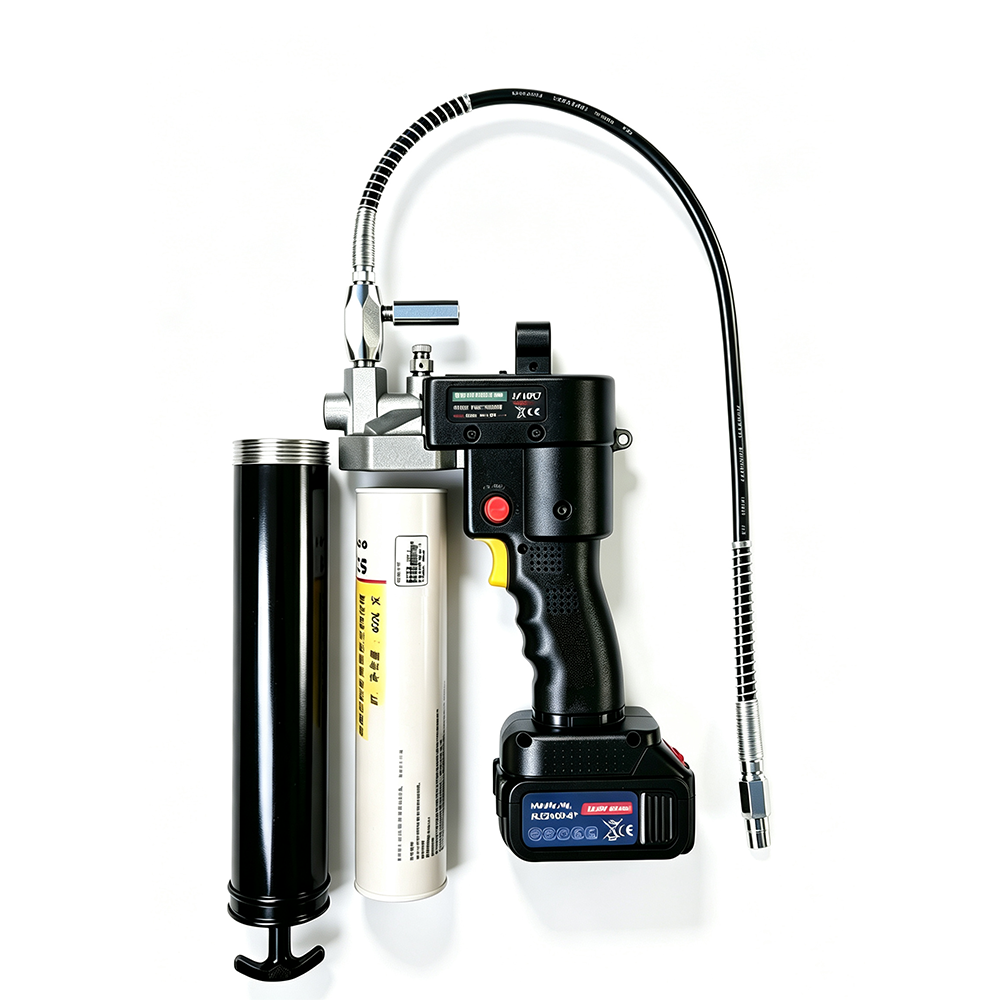
Cordless and battery-powered grease guns for industrial lubrication and machinery maintenance.
SENLITE electric grease guns are cordless, battery-powered lubrication tools designed for efficient grease delivery in machinery maintenance. The range is intended for applications such as excavators, construction equipment, agricultural machinery, fleet maintenance and industrial equipment.
Buyers can compare models by working pressure, grease capacity, battery configuration, hose setup and other application requirements. SENLITE electric grease guns are manufactured by Dezhou Senlite Electromechanical Equipment Co., Ltd. for B2B customers, distributors and OEM requirements.
Current cordless models include the SENLITE SLT2100 cordless electric grease gun and the SENLITE SLT2400 cordless electric grease gun. For branding, packaging or configuration requests, see OEM and ODM electric grease gun solutions.
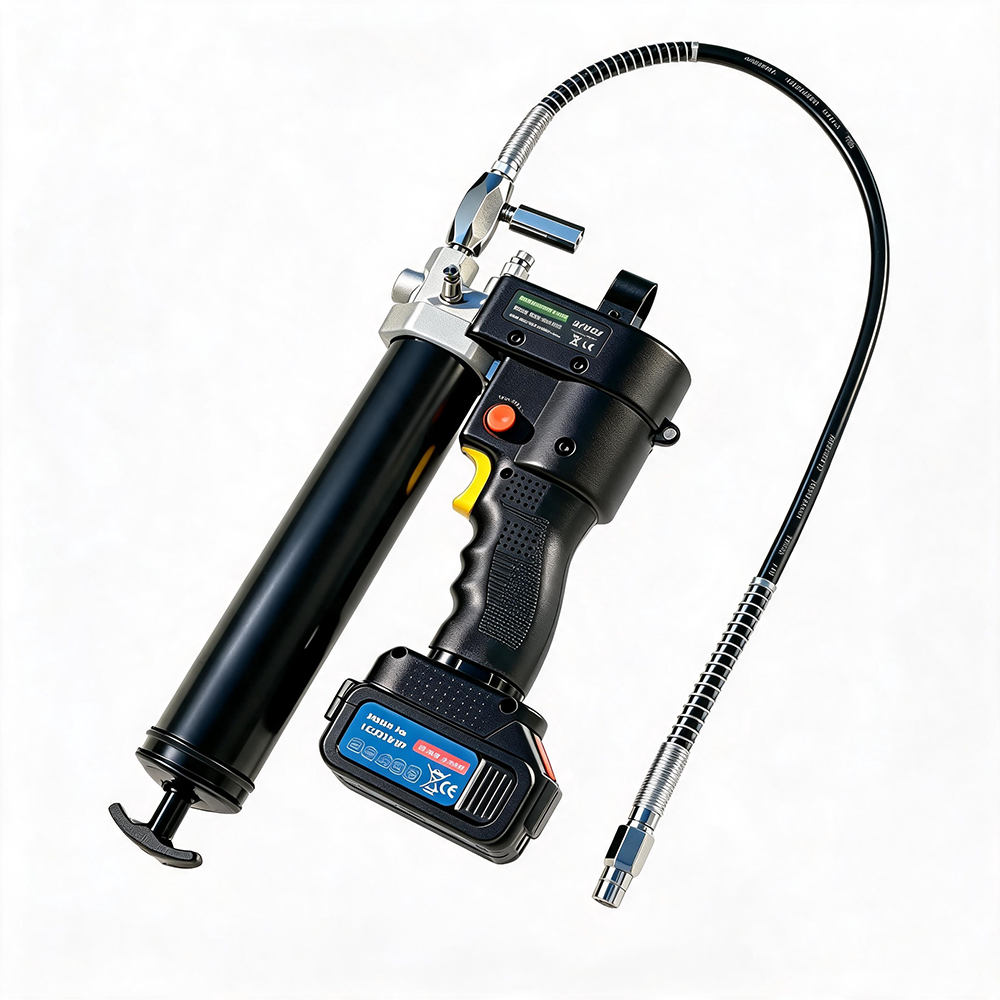
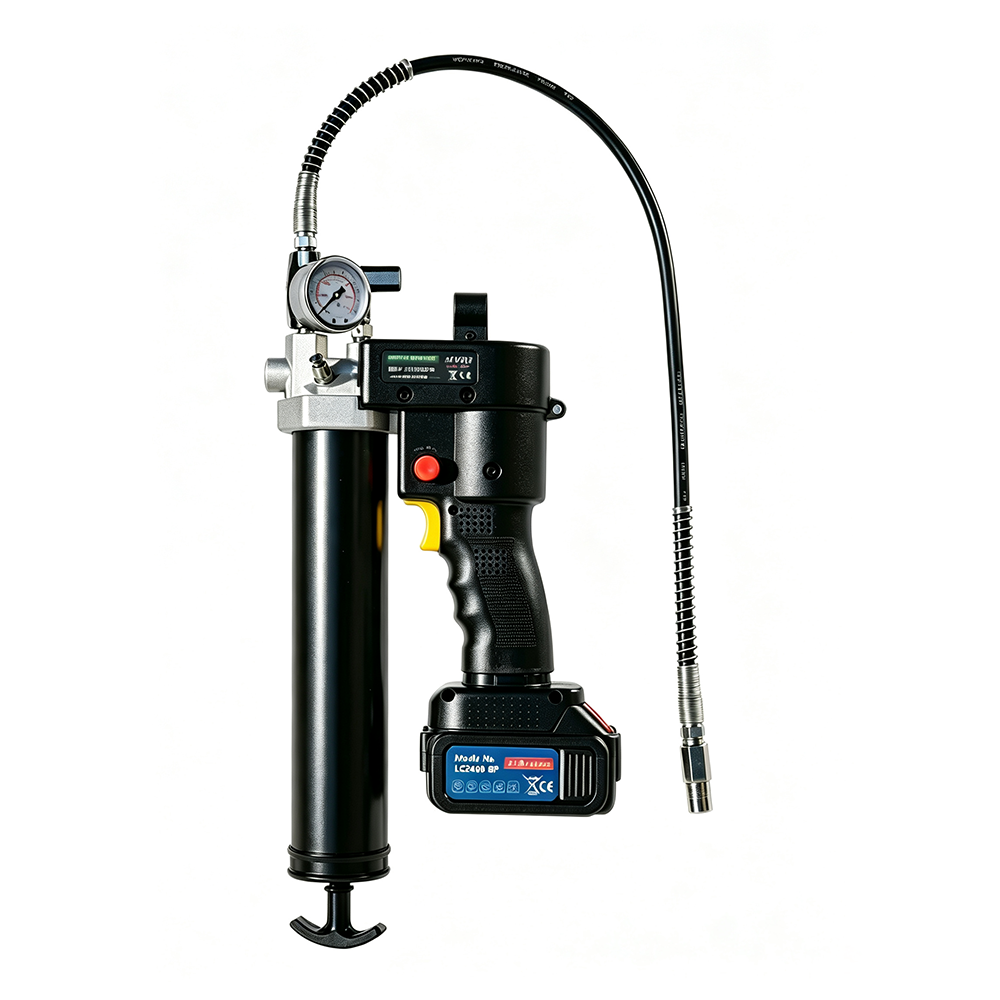
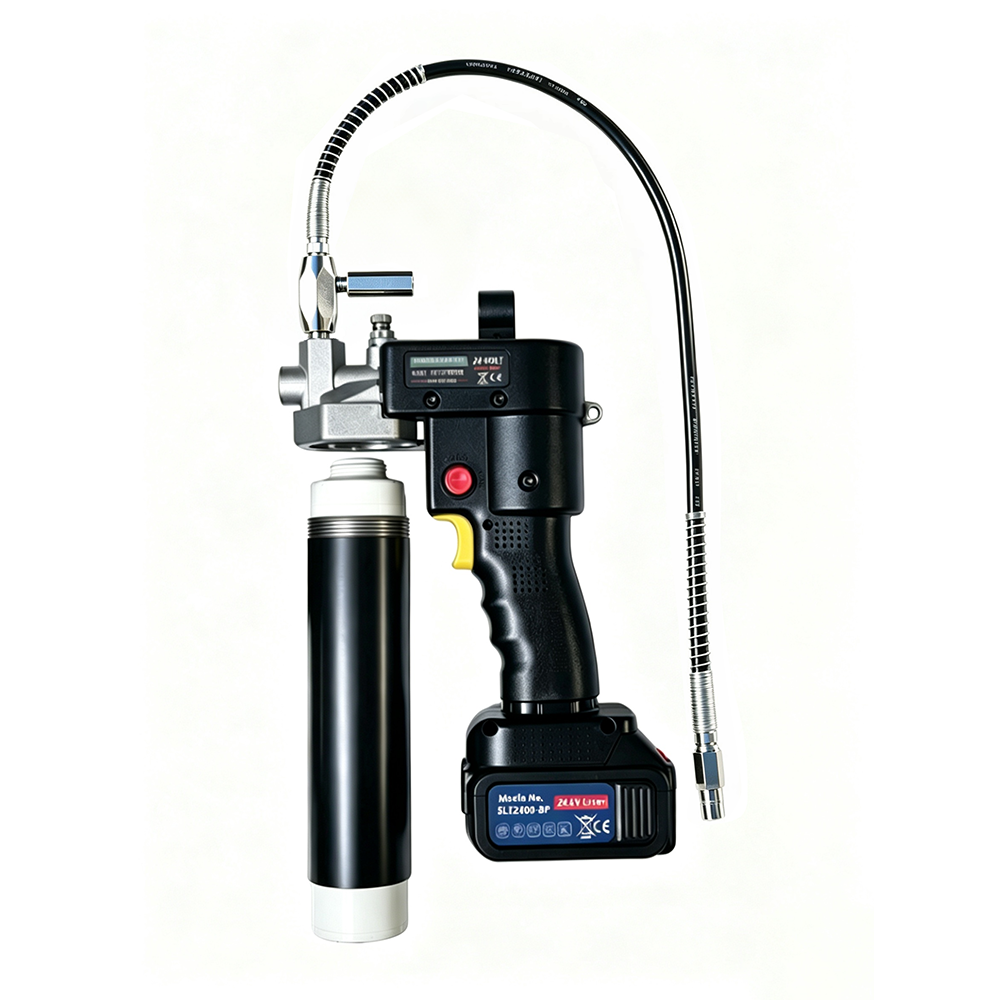
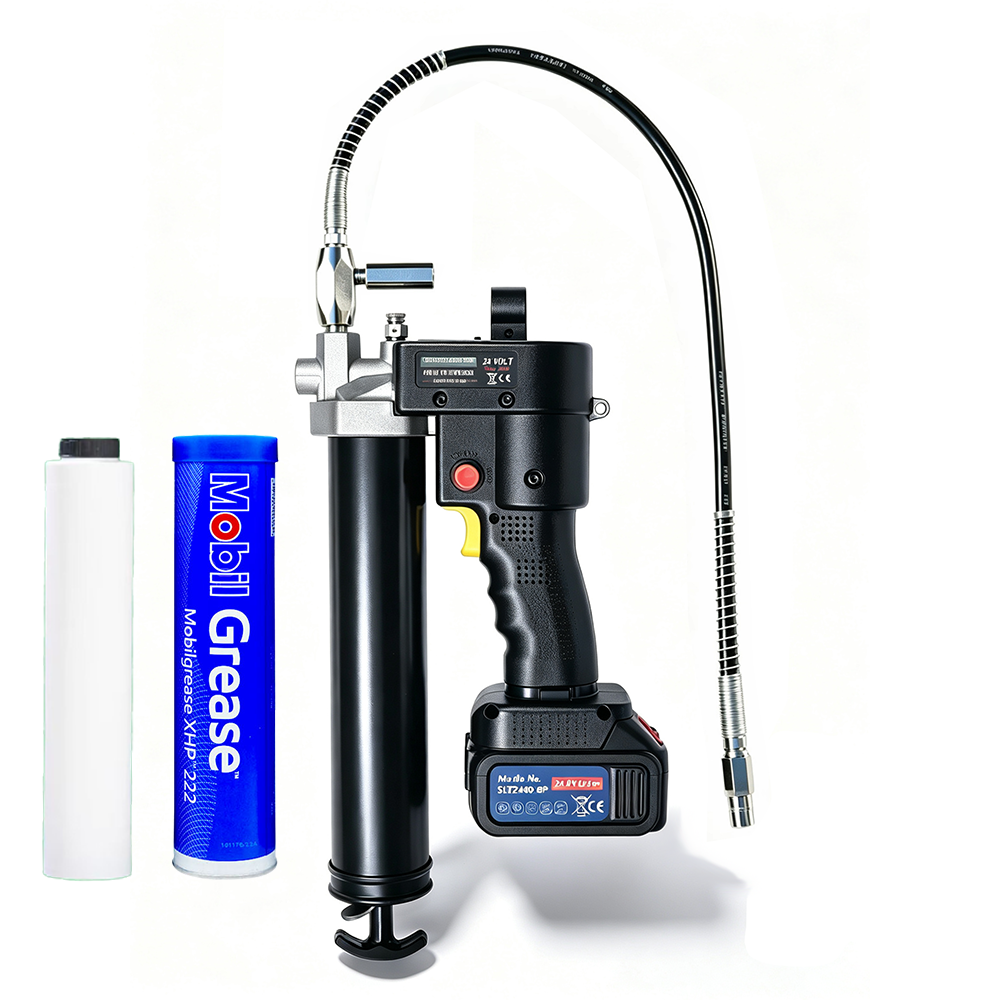
Choosing the right cordless tool starts with the equipment you service, not with a single headline specification. Compare working pressure, grease output, battery system, grease capacity, hose and coupler setup, loading method and how often lubrication work is performed. Distributors and maintenance buyers usually document these points before requesting a quotation, so product comparison stays tied to real service conditions.
Product pages for SLT2100 and SLT2400 list the published specifications for each model so buyers can compare against their lubrication plan.
Cordless electric models are commonly evaluated for excavators, construction equipment, agricultural machinery, fleet maintenance and industrial machinery with repeated lubrication points. Selection should follow the grease type, fitting condition and service interval of the machine rather than assuming that higher pressure alone is always better. In practice, teams also weigh hose reach, coupler compatibility and how the tool will be shared between workshop and field crews.
For application-focused buying notes, see the guide on electric grease gun for excavators and heavy equipment.
Manual grease guns remain useful for light or occasional work. Cordless electric tools reduce pumping effort and can improve consistency when operators service many points in sequence. The better option depends on duty cycle, access constraints and total cost of ownership for the maintenance team.
Read the full comparison: electric grease gun vs manual grease gun.
Pressure capability and grease flow describe different parts of lubrication performance. Pressure helps move grease through resistance; flow describes how much grease is delivered over time. Buyers should review both values together with hose length, grease viscosity and fitting condition.
Learn more about electric grease gun pressure and flow rate.
Battery choice affects runtime, spare-pack planning and field logistics. Different cordless grease gun battery platforms use different nominal voltages and capacities, so compare the published battery configuration for each SENLITE model rather than treating voltage as the only decision factor. Where continuous lubrication work is expected, buyers often plan spare batteries and charging time around shift patterns.
See the cordless grease gun battery selection guide for voltage, capacity and runtime considerations for B2B buyers.
Practical answers for B2B buyers comparing cordless lubrication tools.